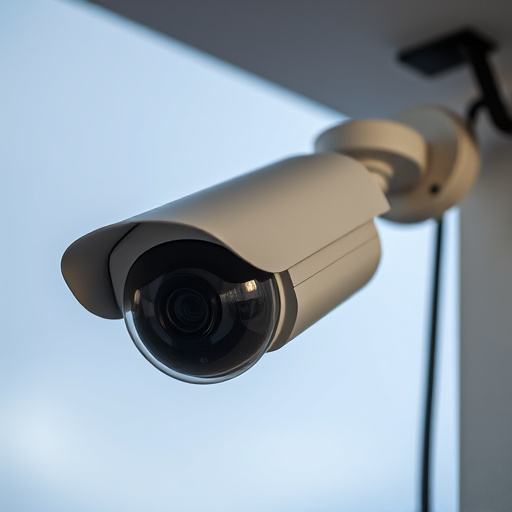
Installing multiple fake security cameras is an effective, cost-efficient way to enhance home or business security. Strategically placing these decoys in high-risk areas like entrances and windows creates the illusion of comprehensive surveillance, acting as a powerful deterrent against intruders. With various types available for indoor and outdoor use, and the option to mimic wiring realistically, these cameras blend seamlessly into any environment while providing enhanced protection without complex installation. Following legal guidelines regarding privacy and surveillance ensures ethical use of this strategy.
“Uncover the power of deception with installing multiple fake security cameras—a smart, cost-effective way to enhance home or business security. This comprehensive guide explores the ins and outs of understanding and utilizing simulated cameras effectively. From the benefits of strategic placement to the legal considerations, we break down how these lifelike replicas can deter crime without breaking the bank. Learn how to choose the perfect spots, install them seamlessly, and create a realistic security system that’s hard to distinguish from the real deal.”
- Understanding Fake Security Cameras: A Comprehensive Overview
- Benefits of Installing Multiple Simulated Cameras
- Choosing the Right Location for Your Fake Security System
- The Process: Installing the Fake Cameras and Wiring
- Legal Considerations and Best Practices for Realistic Simulation
Understanding Fake Security Cameras: A Comprehensive Overview
Fake security cameras, also known as decoy or dummy cameras, are an innovative and cost-effective way to enhance home or business security. These devices serve as a powerful visual deterrent against potential intruders, mimicking the appearance of real surveillance equipment. Understanding how these fake cameras work and their strategic placement can significantly contribute to overall security measures.
When it comes to installing multiple fake security cameras, there are several considerations. Firstly, identify areas that require the most attention, such as main entrances, windows, or valuable asset locations. Strategically placing decoy cameras in these spots creates an illusion of a comprehensive surveillance system, making potential intruders think twice. Additionally, consider the types of fake cameras available, from weatherproof models suitable for outdoor use to indoor varieties with various lens angles and features. Installing a mix of these cameras ensures a holistic security approach, blending realism with the ultimate protection goal.
Benefits of Installing Multiple Simulated Cameras
Installing multiple fake security cameras offers a multitude of benefits for enhancing home or business security while maintaining an aesthetically pleasing environment. Firstly, it creates the perception of a robust surveillance system, deterring potential intruders from targeting your property. This psychological factor alone can significantly reduce crime rates around your location.
Additionally, these simulated cameras are highly versatile and can be strategically placed to monitor key areas without the need for extensive physical wiring. This flexibility allows for more creative placement options, ensuring comprehensive coverage while preserving the natural look and feel of your space.
Choosing the Right Location for Your Fake Security System
When selecting a location for your fake security camera setup, consider areas that offer clear visibility and potential entry points. Front doors, windows, and alleyways are prime targets for criminals, making them ideal spots to install multiple cameras. By deploying several fake cameras around these locations, you create an illusion of enhanced security, deterring potential intruders.
Imagine a scenario where a would-be burglar approaches your home, only to be met by the sight of four surveillance devices pointed directly at them. This psychological deterrent is powerful and can significantly reduce the likelihood of actual criminal activity. Moreover, installing fake wiring alongside these cameras adds an extra layer of realism, making it harder for criminals to discern between genuine security measures and a clever deception.
The Process: Installing the Fake Cameras and Wiring
Installing multiple fake security cameras is a straightforward process that involves careful placement and realistic wiring simulation. Begin by selecting high-quality fake cameras designed to mimic real security equipment. These should feature detailed, lifelike features like lenses, cables, and mounting hardware. Once chosen, strategically place each camera in areas where surveillance is needed, ensuring they offer unobstructed views.
Next, simulate the wiring by carefully routing and attaching synthetic cables. Use flexible, weather-resistant materials to mimic real security wiring, connecting each camera to a central ‘control panel’ or a hidden power source. The key lies in making these connections look authentic, with organized bundles and secure fastenings. This meticulous approach ensures that your fake security system appears convincingly real, deterring potential intruders without breaking the bank.
Legal Considerations and Best Practices for Realistic Simulation
When considering the installation of multiple fake security cameras with simulated wiring, it’s crucial to understand legal considerations and best practices for realistic simulation. While these devices can be an effective deterrent, their use must adhere to regional laws and regulations regarding surveillance and privacy. Many jurisdictions have strict rules about the placement and notification of CCTV systems, even if they are not actively recording. For instance, in some areas, cameras must be clearly visible with a label indicating their presence, and residents or business owners should be made aware of their use.
To ensure compliance and maintain ethical standards, it’s recommended to consult with legal experts or local authorities before installing fake security cameras. Additionally, best practices suggest using high-quality, realistic simulation that doesn’t easily give away its artificial nature. This includes careful placement to avoid detection by passersby or potential intruders, as well as maintaining a consistent appearance with genuine wiring and camera components. By following these guidelines, property owners can maximize the deterrent effect of fake security cameras while respecting privacy rights.
Installing multiple fake security cameras equipped with simulated wiring can significantly enhance your home or business’s security perception without breaking the bank. By strategically placing these realistic-looking decoys, you create a robust deterrent system that could discourage potential intruders. Remember to consider legal guidelines and best practices when setting up your fake security system for optimal effectiveness and realism.