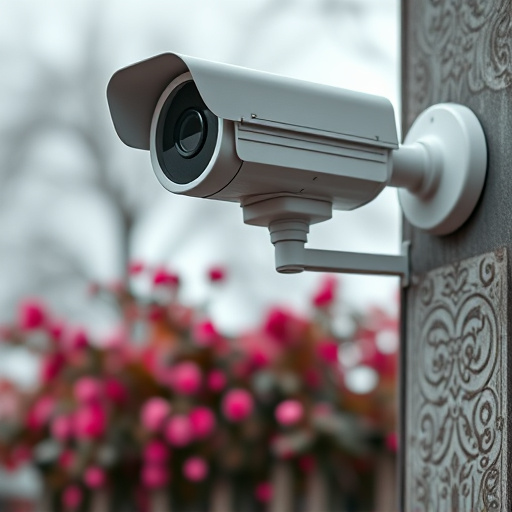
Installing multiple realistic fake security cameras is a powerful strategy to deter criminals and enhance physical security for businesses and homes in today's digital age. By strategically placing them with overlapping fields of view, varying heights and angles, and changing active locations, the system offers psychological deterrence, making it harder for intruders to anticipate surveillance positions. Combining decoys with actual cameras increases overall protection, while creative placement techniques like hiding them in plants or attaching to moving objects adds an extra layer of uncertainty. Avoid oversaturating areas with cameras or placing decoys in plain sight; instead, diversify locations and ensure unique perspectives for maximum effectiveness.
“Uncover the hidden power of deception in modern security with our guide on fake security camera placement strategies. Discover why these simulated devices are crucial for enhancing real surveillance capabilities and deterring potential threats. Learn about effective installation techniques for placing multiple fake cameras, exploring creative positioning to fortify your security measures. Avoid common pitfalls and master the art of integrating deceptive technology seamlessly into your overall security infrastructure.”
- Understanding the Power of Deception: Why Fake Security Cameras Matter
- Strategies for Installing Multiple Fake Cameras Effectively
- Enhancing Security: Creative Placement Techniques
- Common Mistakes to Avoid When Using Fake Surveillance Equipment
Understanding the Power of Deception: Why Fake Security Cameras Matter
Understanding the Power of Deception: Why Fake Security Cameras Matter
In today’s digital era, where security is paramount, fake security cameras have emerged as a strategic tool for enhancing actual surveillance systems. Installing multiple fake security cameras can significantly deter potential criminals and create an illusion of robust security in any environment. This tactic leverages deception to reinforce the physical security measures already in place. By strategically placing realistic-looking dummy cameras, businesses and homeowners can send a powerful message that they are prepared and vigilant.
The impact of well-placed fake security cameras extends beyond psychological deterrence. They act as a critical layer of protection, misdirecting would-be intruders and drawing their attention away from actual surveillance equipment. This diversionary tactic buys valuable time for response teams and can significantly enhance the overall effectiveness of a security system. Moreover, the mere presence of dummy cameras often leads to a decrease in criminal activity, making them an effective investment for any property’s safety and security.
Strategies for Installing Multiple Fake Cameras Effectively
When deploying multiple fake security cameras, a strategic approach is essential to maximize their effectiveness and create a convincing illusion of surveillance. One effective strategy is to install cameras in areas that offer overlapping fields of view. This technique, known as zone defense, mimics real security systems by ensuring no blind spots exist. For instance, place one camera near an entrance, another at the end of a corridor, and a third in a central location to cover all approaches.
Additionally, varying the placement heights and angles adds realism. Mounting some cameras higher on walls or ceilings and others at eye level creates a dynamic appearance. This diversity makes it harder for potential intruders to anticipate camera positions, enhancing the overall security posture. Regularly changing the active cameras’ locations and patterns further complicates identifying the real surveillance system.
Enhancing Security: Creative Placement Techniques
Installing multiple fake security cameras can significantly enhance overall security, providing a powerful psychological deterrent to potential intruders. Strategically placing these realistic replicas in various areas of your property creates an illusion of constant surveillance. This tactic is particularly effective when combined with real cameras, as it becomes difficult for criminals to discern between genuine and simulated equipment.
Creative placement techniques involve positioning the fake cameras in unexpected locations, such as inside dummy plants or attached to moving objects like flags. By integrating these decoys into your surroundings, you add an extra layer of uncertainty for would-be intruders. This approach not only boosts security but also adds an element of surprise, making it a game-changer in home or business protection.
Common Mistakes to Avoid When Using Fake Surveillance Equipment
When implementing a fake security camera strategy, it’s crucial to steer clear of common pitfalls that can undermine the system’s effectiveness. One major mistake is oversaturating the area with too many installed fake cameras. While the intent may be to deter crime, having an excessive number of cameras can create an unnatural and obvious surveillance setup, actually attracting unwanted attention. This could alert potential criminals that the property is heavily monitored, defeating the purpose.
Additionally, avoid placing these decoys in plain sight without proper camouflage. Fake security cameras should be strategically positioned amidst natural elements or integrated seamlessly into existing structures to prevent their easy detection. Installing multiple fake cameras with minimal variation in placement can also tip off criminals. Diversifying the locations and ensuring each camera has a unique perspective adds realism and reinforces the system’s credibility as a genuine security measure.
Fake security camera placement strategies, when executed correctly, can significantly enhance real security measures. By installing multiple fake cameras and employing creative placement techniques, property owners and managers can create an environment that deterred potential intruders, while also providing valuable peace of mind. Remember, the key is to use these devices ethically and responsibly, ensuring they contribute positively to overall safety without misleading or causing alarm.