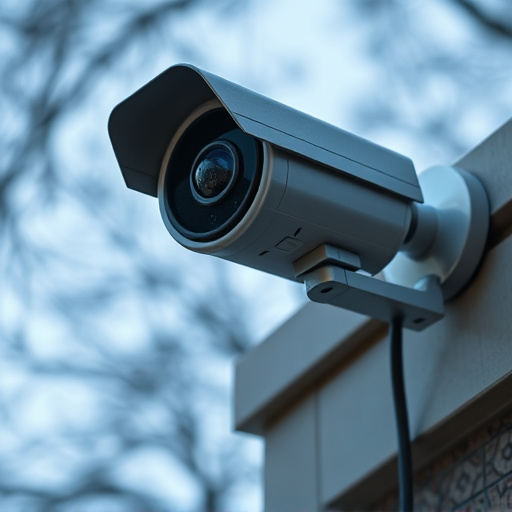
Retailers can significantly improve store security and deter theft by strategically installing multiple realistic but inactive fake security cameras. These cost-effective devices, easy to install and relocate, send a strong surveillance message without the need for extensive live camera systems or personnel. By positioning them in high-theft areas like entrances, exits near valuable merchandise, and checkouts, retailers create an illusion of all-encompassing surveillance, effectively deterring potential intruders while adhering to privacy laws through visible yet discreet placement.
In the competitive retail landscape, enhancing store security is paramount. An often-overlooked yet powerful tool in this regard are mock security cameras. This article explores the multifaceted benefits of installing multiple fake security cameras in retail stores. From deterring theft to creating a safer environment, we delve into strategic placement and realistic installation techniques. Additionally, we navigate legal considerations, ensuring best practices for leveraging these devices effectively while adhering to regulations. Understanding the advantages and proper implementation of mock cameras can significantly transform retail store security.
- Understanding the Benefits of Fake Security Cameras for Retail
- Choosing the Right Location to Install Multiple Mock Cameras
- Techniques and Strategies for Realistic Installation
- Legal Considerations and Best Practices for Using Mock Security Cameras
Understanding the Benefits of Fake Security Cameras for Retail
Retail stores can greatly benefit from installing multiple fake security cameras as a deterrent to potential thieves and vandals. These realistic-looking but inactive cameras send a strong message that surveillance is ongoing, even if there’s no actual monitoring taking place. By strategically placing these mock security cameras at various points throughout the store, retailers can create an atmosphere of heightened security without the constant costs associated with hiring security personnel or investing in extensive live camera systems.
The use of fake security cameras offers a cost-effective solution for enhancing store safety. They are easy to install and require minimal maintenance. Moreover, these cameras can be moved around to different locations as needed, allowing retailers to adapt their security strategy according to evolving shop floor dynamics. This flexibility makes them an attractive option for businesses looking to deter theft and maintain a safe shopping environment without breaking the bank.
Choosing the Right Location to Install Multiple Mock Cameras
When planning an installation strategy for mock security cameras, selecting the optimal locations is key. Retail stores should consider high-theft areas, such as entrances and exits, as prime spots. These zones are not only visible to customers but also provide clear lines of sight for any potential intruders. Installing multiple fake cameras across these strategic points creates a perceived heightened security presence.
Additionally, placing mock cameras near valuable merchandise or checkouts can act as a deterrent. This tactic is particularly effective in driving down shoplifting incidents. By simulating a comprehensive surveillance system, retailers can maintain a safe environment without relying solely on human oversight.
Techniques and Strategies for Realistic Installation
To achieve a realistic effect with mock security cameras in retail stores, careful consideration and strategic installation are key. One effective technique is to install multiple fake cameras at various angles and heights throughout the store. This creates an illusion of all-encompassing surveillance, deterring potential thieves by making it seem like every corner is under constant watch.
Additionally, positioning these mock cameras near high-value items or areas with frequent foot traffic can further enhance their deterrent effect. Store owners should also aim to mix real and fake cameras seamlessly; a combination of visible and concealed mock cameras adds an extra layer of realism. This strategy ensures that would-be intruders are never quite sure which devices are genuine, thus increasing the overall security measure.
Legal Considerations and Best Practices for Using Mock Security Cameras
When considering the use of mock security cameras in retail stores, it’s crucial to understand legal considerations and best practices. While fake cameras can deter crime and enhance store security, they must be installed and utilized responsibly to avoid legal issues. One important aspect is to ensure that these cameras do not invade privacy or violate any local laws regarding surveillance. It’s recommended to consult with legal experts to understand the regulations in your area, especially when it comes to Installing Multiple Fake Security Cameras. This can help prevent false accusations of privacy infringement and ensure compliance.
Best practices suggest placing mock cameras at strategic locations visible to potential thieves, deterring them from suspicious activities. Discreetly positioning these cameras around the store helps create an impression of constant surveillance without actually recording individuals’ private moments. Additionally, maintaining a balance between the number of real and fake cameras is essential. While Installing Multiple Fake Security Cameras can be effective, an excessive number might raise eyebrows and could be seen as overly aggressive or intrusive, defeating the purpose.
Mock security cameras, or fake surveillance equipment, offer a cost-effective and realistic solution for enhancing retail store security. By strategically installing multiple fake cameras, businesses can deter criminal activity, improve customer confidence, and even reduce insurance costs. With the right placement and authentic appearance, these devices provide an essential layer of protection without breaking the bank. When considering their use, it’s crucial to follow legal guidelines and best practices for installation to ensure maximum effectiveness and minimal risks.