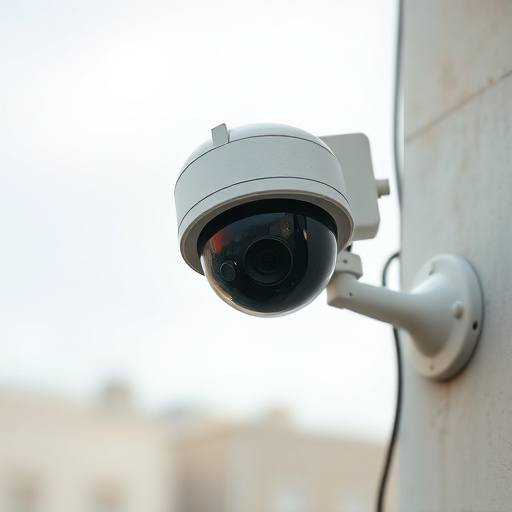
Installing multiple fake security cameras requires understanding power needs for optimal performance. Wired connections are recommended for dense setups, offering reliable power and efficiency. Outdoor cameras benefit from hardwiring for consistent power, while indoor cameras often use batteries or AC adapters. Strategic placement, including clear lines of sight and eye-level mounting, enhances deterrence. Regular maintenance ensures longevity, making it an economical security solution that increases intruder risk and difficulty.
In today’s security-conscious world, dummy security cameras offer a cost-effective way to deter crime. When planning an installation, understanding the power options available is crucial, whether for outdoor or indoor spaces. This article guides you through the process, from powering options and installation considerations to maintenance tips, ensuring optimal performance of your multiple fake security cameras. Learn how to create a robust, long-lasting dummy security system that enhances safety without breaking the bank.
- Understanding Dummy Camera Requirements
- Powering Options for Outdoor and Indoor Cameras
- Installation Considerations and Best Practices
- Maintenance and Longevity of Fake Security Systems
Understanding Dummy Camera Requirements
When considering Installing Multiple Fake Security Cameras, understanding the requirements of dummy security cameras is crucial. Unlike their real counterparts, fake security cameras have distinct power needs to function effectively as deterrents. They can be powered by either batteries or a wired connection, each with its own advantages. Batteries offer portability and convenience, making them ideal for temporary installations or areas where running cables isn’t feasible. Wired cameras, on the other hand, provide a more stable power source, reducing maintenance concerns and often offering better performance.
For those planning to install multiple fake security cameras, selecting the appropriate power option becomes even more critical. In dense or extensive setups, wired connections might be the better choice due to their ability to support multiple devices efficiently. This is especially important in scenarios where battery-powered cameras may struggle with continuous operation or face higher maintenance demands. Understanding these requirements beforehand ensures a seamless and effective security setup.
Powering Options for Outdoor and Indoor Cameras
When considering Installing Multiple Fake Security Cameras, understanding power options is crucial for both indoor and outdoor applications. For outdoor cameras designed to withstand varying weather conditions, hardwired connections offer a reliable solution. This method directly connects the camera to a power source, ensuring consistent energy supply even in remote locations. Such setups are ideal for fixed installations where running cables isn’t an issue.
Indoor cameras, on the other hand, often rely on battery or AC adapters. Rechargeable batteries provide flexibility and convenience, making them suitable for discreetly placed indoor dummy security cameras. AC adapters are a popular choice for permanent indoor placements, offering a steady power flow without the need for frequent battery replacements. This variety of options allows users to choose the best power source based on their specific needs and camera placement strategies.
Installation Considerations and Best Practices
When considering the installation of multiple dummy security cameras, it’s essential to think strategically about placement and power sources. Since these cameras are designed to mimic real surveillance equipment, positioning them in visible areas reinforces the sense of security for your property. However, power options should be carefully evaluated. Hardwiring each camera is ideal for reliable performance but may not always be feasible due to existing electrical infrastructure or accessibility issues. In such cases, wireless power solutions like battery-operated cameras with solar charging panels can offer flexibility and convenience.
To ensure optimal results, follow best practices by ensuring clear lines of sight between the cameras and potential entry points. Mounting them at eye level and angling them appropriately helps maximize their deterrent effect. Additionally, regular testing of power connections and camera functionality is crucial to maintain the integrity of your security system.
Maintenance and Longevity of Fake Security Systems
Installing multiple dummy security cameras is a great way to enhance home or business security while keeping costs low. These fake systems offer an effective deterrent against potential intruders, as would-be thieves often assume a well-equipped surveillance setup means added risk and difficulty in breaking in. With proper placement, these cameras can cover various entry points and provide a comprehensive monitoring solution.
Regular maintenance is key to ensuring the longevity of your dummy security system. Simple care practices such as cleaning the camera lenses and checking power connections can prevent issues like distorted footage or unexpected malfunctions. Additionally, keeping the cameras dust-free and protected from extreme weather conditions will contribute to their durability, allowing you to maximize the benefits of a robust yet affordable security solution for years to come.
In conclusion, selecting the appropriate power options and adhering to best practices during installation are key factors for maintaining the realism and longevity of dummy security cameras. By understanding your camera’s requirements and choosing between various power sources, you can effectively create a convincing security system, even with multiple outdoor and indoor cameras. Regular maintenance ensures these fake systems continue to deter potential intruders, providing peace of mind for homeowners and businesses alike.